What Is Brain Fog? Causes and How to Fix It (2026)

On this page (19)
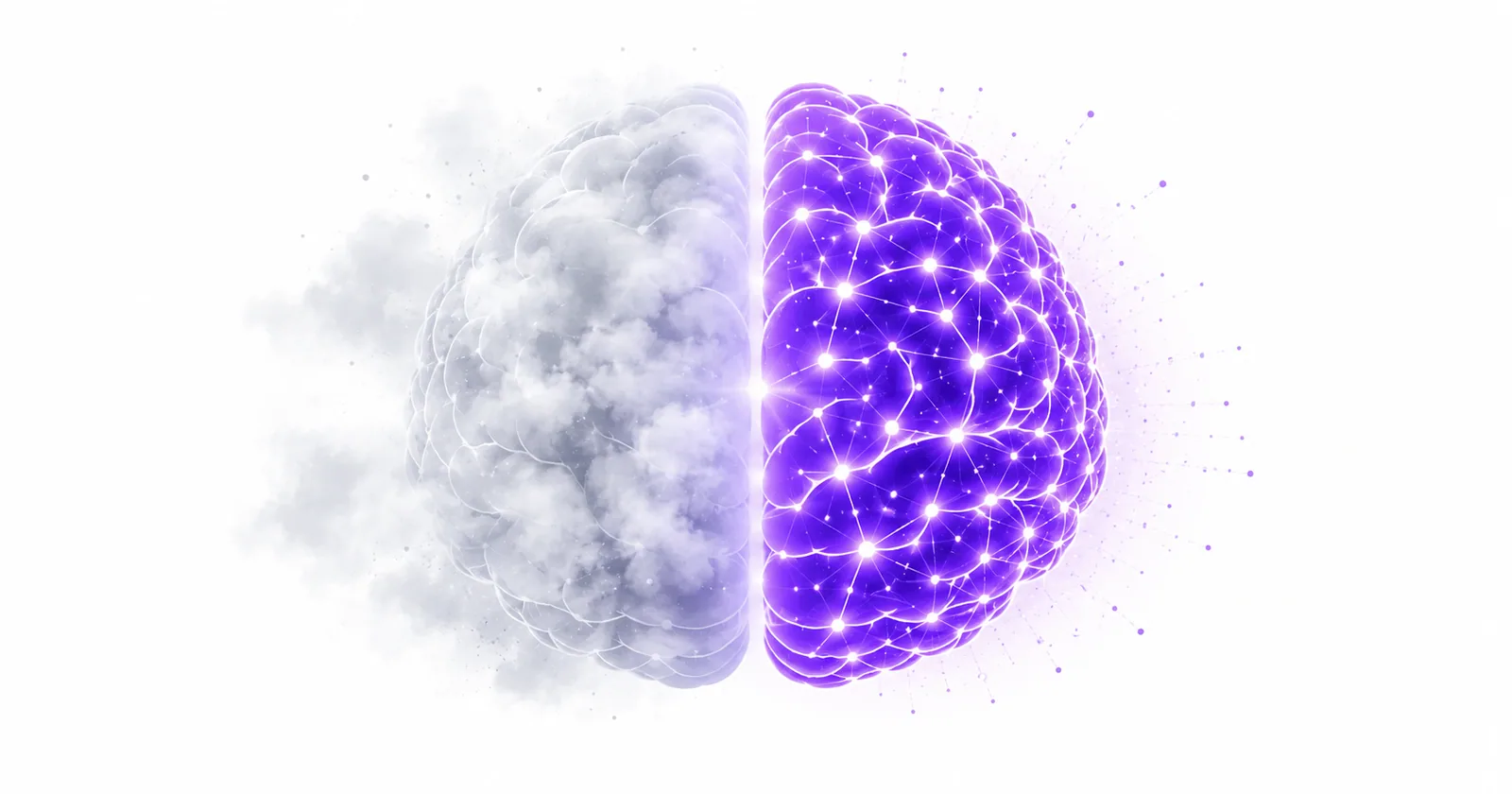
You are staring at your laptop and you cannot think. The words on the screen are not registering. You walked into the kitchen and forgot why. Someone asked you a simple question and your brain returned nothing. You know you are not stupid. You know you used to be sharper than this. But right now, your head feels like it is full of cotton wool and your thoughts are moving through treacle.
That is brain fog. And while it feels like something is seriously wrong, in most cases it is a predictable, explainable, and fixable consequence of your prefrontal cortex not getting what it needs to function properly.
This post explains what brain fog actually is at a neurological level, what causes it, when to worry about it, and how to clear it.
Brain Fog Is Not a Diagnosis
Brain fog is not a medical condition. You will not find it in a diagnostic manual. It is a colloquial term for a cluster of cognitive symptoms that include difficulty concentrating, mental slowness, poor memory, trouble finding words, and a general feeling of cognitive cloudiness.
The reason doctors do not diagnose "brain fog" is that it is a symptom, not a disease. It is like saying "my stomach hurts." The pain is real, but the description does not tell you whether the cause is hunger, food poisoning, anxiety, or something more serious. Brain fog tells you that your cognitive system is underperforming. It does not tell you why.
Understanding the "why" is what makes the difference between suffering through it and fixing it.
What Is Actually Happening in Your Brain
When you experience brain fog, the primary system being affected is the prefrontal cortex and its connections to other brain regions. The prefrontal cortex is responsible for working memory, sustained attention, decision-making, and executive function. These are exactly the cognitive abilities that feel impaired during brain fog.
Research from Yale School of Medicine has shown that the neural circuits in the prefrontal cortex are "remarkably vulnerable" to disruption. Unlike other brain regions that process sensory input, the prefrontal cortex generates and sustains its own activity without external stimulation. It creates abstract thoughts, holds information in working memory, and maintains focus through internal neural firing patterns. These self-sustaining circuits have very specific molecular needs, and when those needs are not met (due to poor sleep, chronic stress, inflammation, blood sugar instability, or other factors), the circuits fail to maintain their activity.
That failure is brain fog. Your prefrontal cortex is not damaged. It is underperforming because the biological conditions it needs to function are not being met. This is why brain fog is usually reversible: restore the conditions, and the circuits resume normal function.
The hippocampus (memory consolidation) and the default mode network (mind-wandering and internal thought) are also affected, which is why brain fog impairs both memory formation and the ability to think creatively or reflectively. But the prefrontal cortex is the epicentre.
The 7 Most Common Causes of Brain Fog
1. Sleep Deprivation
This is the single most common cause of brain fog and the one most people underestimate. The prefrontal cortex is disproportionately affected by sleep loss. One night of poor sleep (fewer than 6 hours) reduces working memory capacity by 20 to 30% and impairs attention, processing speed, and decision-making.
Chronic sleep deprivation (consistently getting fewer than 7 hours) produces cumulative cognitive impairment that feels normal because you have adapted to the baseline. You do not notice how foggy you are because you have forgotten what clear feels like. The prefrontal cortex also needs sleep to clear metabolic waste (via the glymphatic system), and sleep deprivation allows neurotoxic proteins to accumulate. (Full breakdown in our post on how sleep affects memory.)
2. Chronic Stress
Prolonged cortisol elevation impairs prefrontal cortex function directly. Cortisol disrupts the molecular signalling that prefrontal neurons need to sustain their activity. Under acute stress, this produces the familiar "mind going blank" experience. Under chronic stress, it produces a persistent cognitive fog where everything feels harder, slower, and less clear.
Chronic stress also disrupts sleep (compounding cause number 1), impairs hippocampal function (weakening memory consolidation), and increases inflammation (which independently impairs prefrontal circuits). Stress rarely causes brain fog alone. It typically triggers a cascade that involves multiple causes simultaneously.
3. Digital Overload and Multitasking
Constant task switching, notification interruptions, and information overload drain prefrontal resources faster than they can recover. The prefrontal cortex has a limited energy budget. Every task switch, every notification check, every context shift consumes a portion of that budget. When the budget is exhausted, the result is brain fog: the subjective experience of a prefrontal cortex that has run out of resources.
This is why brain fog often peaks in the mid-afternoon for office workers. By 2 to 3pm, hours of digital multitasking have depleted prefrontal resources, and the resulting cognitive slowdown feels like fog. (For more on the specific mechanisms, see our post on screen time and memory.)
4. Poor Nutrition and Blood Sugar Instability
Your brain consumes approximately 20% of your total caloric intake despite being only 2% of your body weight. It runs almost exclusively on glucose, and it cannot store significant glucose reserves. This means your brain is entirely dependent on a steady supply of blood sugar from your diet.
When blood sugar spikes and crashes (from high-sugar meals, skipped meals, or excessive caffeine followed by a crash), prefrontal cortex function drops with it. The mid-morning fog after a sugary breakfast, the post-lunch slump after a carb-heavy meal, and the late-afternoon crash after too much coffee are all blood sugar-driven prefrontal underperformance. (For dietary strategies that support sustained cognitive function, see our post on foods that boost memory.)
5. Physical Inactivity
Regular exercise increases cerebral blood flow, promotes BDNF production (which supports prefrontal cortex health), reduces cortisol, and improves sleep quality. When you are sedentary, all four of these mechanisms are impaired. The prefrontal cortex receives less blood flow, less neurotrophic support, more cortisol, and worse sleep. Brain fog in sedentary people is often a direct consequence of the brain not receiving the physical activity it needs to maintain optimal function.
6. Inflammation
Systemic inflammation (from illness, chronic conditions, poor diet, or long COVID) directly impairs prefrontal cortex function. The Yale research specifically identified inflammatory factors as capable of interfering with the molecular signalling that prefrontal neurons need to sustain their activity. This is why brain fog is one of the most commonly reported symptoms of COVID-19 recovery, autoimmune conditions, and chronic inflammatory states.
Post-COVID brain fog has been particularly well-studied. Research has shown that previously infected individuals exhibit prefrontal haemodynamic patterns during cognitive tasks that resemble those of adults four decades older. The inflammation from the infection appears to cause lasting (though potentially reversible) changes in prefrontal cortex function.
7. Dehydration
Even mild dehydration (1 to 2% body weight loss, which happens before you feel thirsty) impairs working memory, attention, and processing speed. The brain is approximately 75% water, and its function is acutely sensitive to hydration status. Dehydration reduces blood volume, which reduces cerebral blood flow, which reduces the oxygen and glucose delivery that the prefrontal cortex depends on. This is the simplest cause of brain fog and the easiest to fix.
When Brain Fog Is a Medical Concern
Most brain fog is caused by the lifestyle factors above and resolves when those factors are addressed. However, persistent brain fog that does not improve with sleep, stress management, and lifestyle changes can indicate an underlying medical condition that requires professional evaluation:
- Thyroid disorders (hypothyroidism is a common cause of persistent cognitive fog).
- Iron deficiency or anaemia.
- Vitamin B12 or vitamin D deficiency.
- Hormonal changes (menopause, perimenopause, pregnancy).
- Depression and anxiety disorders.
- Sleep disorders (sleep apnoea in particular).
- Long COVID or post-viral syndromes.
- Medication side effects.
If your brain fog is persistent (lasting more than 2 to 3 weeks), worsening over time, accompanied by other symptoms (extreme fatigue, mood changes, headaches, vision changes), or not responsive to lifestyle interventions, see a doctor. Blood tests can rule out thyroid, nutritional, and inflammatory causes quickly.
How to Fix Brain Fog
For the majority of people whose brain fog is lifestyle-driven, the fix is systematic: address the causes in order of impact.
Step 1: Fix Your Sleep (Highest Priority)
Seven to nine hours of quality sleep is non-negotiable for prefrontal cortex function. If you are sleeping fewer than 7 hours, no amount of coffee, supplements, or cognitive training will compensate. Consistent sleep and wake times (including weekends), a cool, dark room, no screens for 30 minutes before bed, and limited caffeine after midday are the foundations. This single change resolves brain fog for more people than any other intervention.
Step 2: Stabilise Blood Sugar
Eat meals that combine protein, healthy fats, and complex carbohydrates to prevent the spike-and-crash cycle. Avoid starting your day with sugar or caffeine alone. A protein-rich breakfast stabilises blood sugar for the entire morning and prevents the mid-morning fog that sugary breakfasts produce.
Step 3: Move Your Body
A 20 to 30 minute walk produces immediate improvements in prefrontal cortex function through increased cerebral blood flow and acute BDNF release. You do not need a gym membership. You need to move consistently. If brain fog hits in the afternoon, a 10-minute walk is more effective than a coffee.
Step 4: Reduce Digital Noise
Turn off non-essential notifications. Batch your email and message checking. Create single-task blocks where you work on one thing without switching. Every notification you eliminate is one fewer prefrontal resource drain. (Practical strategies in our post on how to improve focus and concentration.)
Step 5: Hydrate
Drink water before you feel thirsty. A glass of water first thing in the morning, before meals, and during any focused work session. This is the simplest, fastest intervention on the list and is often overlooked.
Step 6: Train Your Prefrontal Cortex
Your prefrontal cortex responds to training just like any other part of your brain. Targeted working memory exercises strengthen the neural circuits that brain fog impairs. When you complete a Blanked session, you are directly exercising the prefrontal cortex and visuospatial working memory system: the exact circuits that underperform during brain fog. Two minutes of daily training builds resilience in those circuits, making them harder to disrupt. Think of it as preventive maintenance for the system that fog attacks first.
For additional exercises that target the prefrontal cortex, see our post on brain exercises for adults.
Step 7: Address Chronic Stress
If chronic stress is the driver, no amount of sleep, exercise, or training will fully clear the fog until the cortisol load is reduced. This might mean boundary-setting at work, delegating responsibilities, starting a mindfulness practice, or seeking professional support. Physiological sighing (double inhale through the nose, long exhale through the mouth) is the fastest evidence-based technique for acute cortisol reduction.
Brain fog is your prefrontal cortex telling you something is wrong with its operating conditions. It is not a sign that your brain is broken. It is a signal that your brain is not getting what it needs: adequate sleep, stable blood sugar, physical movement, reduced digital noise, hydration, cognitive challenge, and manageable stress levels.
The fix is not a supplement or a hack. It is systematically restoring the conditions your prefrontal cortex requires to function. Start with sleep. Add movement. Reduce noise. Train the circuits directly. The fog clears when the conditions change.
Frequently asked questions
What causes brain fog?
How do I get rid of brain fog fast?
Is brain fog a sign of something serious?
Can brain fog be permanent?
Does coffee help brain fog?
Train your memory. Play Blanked free.
A free visual memory game built around how memory actually works. 6 game modes, 400+ levels.
Download on the App Store